
From Canteens to Micro Markets: The Future of Workplace Food
Traditional workplace canteens were once the cornerstone of the workplace, however in recent years they have been facing an unexpected challenger. Businesses are replacing their fixed hour cafeterias with micro markets and reaping the benefits of around the clock access to fresh, healthy food. This shift represents more than just a technological upgrade; it’s fundamentally reimagining workplace food and beverage solutions. This transition is being driven by changing employee expectations, dietary diversity, and the need for flexibility in an era of hybrid working and 24-hour operations.
Variety on Demand
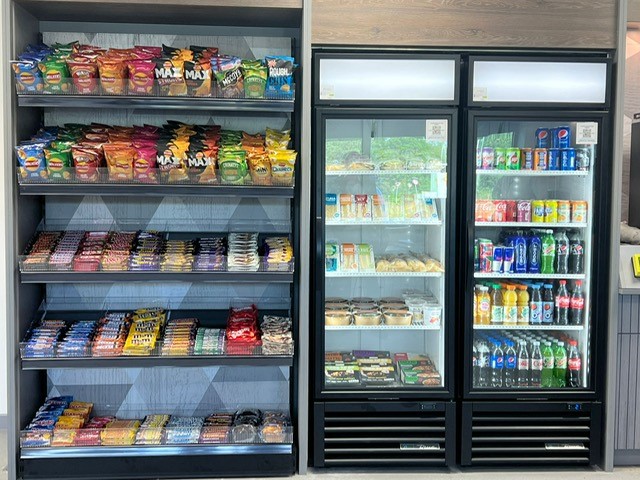
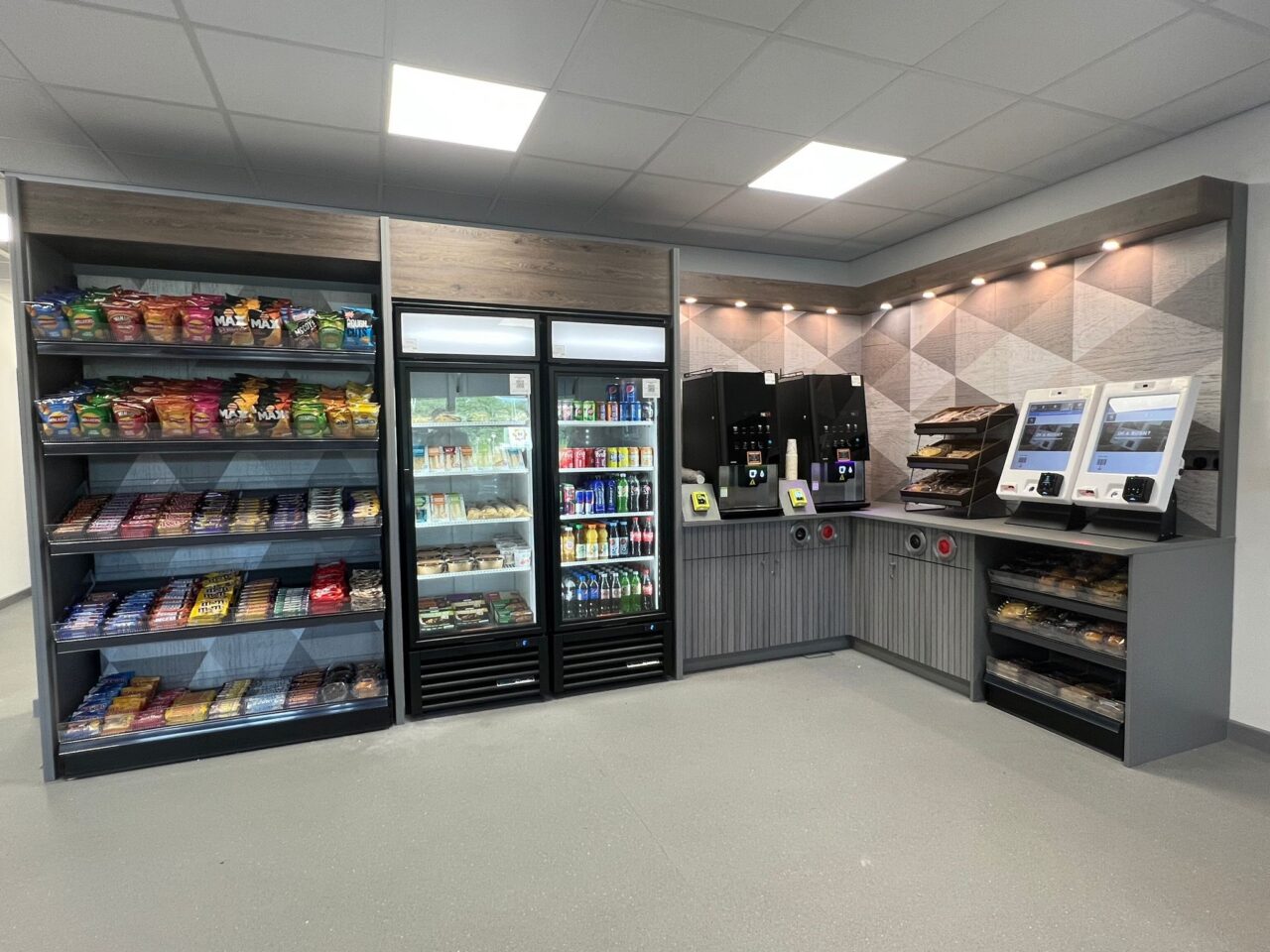
Typically, traditional canteens serve a limited menu, with three or four hot meal options, a salad bar and a few packaged options. That fixed menu might rotate weekly, or fortnightly if you’re lucky, but either way employees are faced with the same options on repeat. Micro markets flip this model entirely, rather than having a small, fixed selection of fresh food they offer a wide variety of fresh food options alongside ambient bays full of sweet treats and frozen meals. An average micro market can stock 200-300 different products at any given time, and these options are rotated every 6 weeks to keep the variety fresh.
“Employees now expect the same variety they would find on the high street,” explains Elyas Coutts, CEO of Connect Vending, which has grown substantially over five years by focusing on micro market installations. “Micro markets deliver that variety in a way traditional canteens cannot, from fresh meals to healthier snacks and dietary-specific options.”
Meeting Dietary Needs in Diverse Workplaces
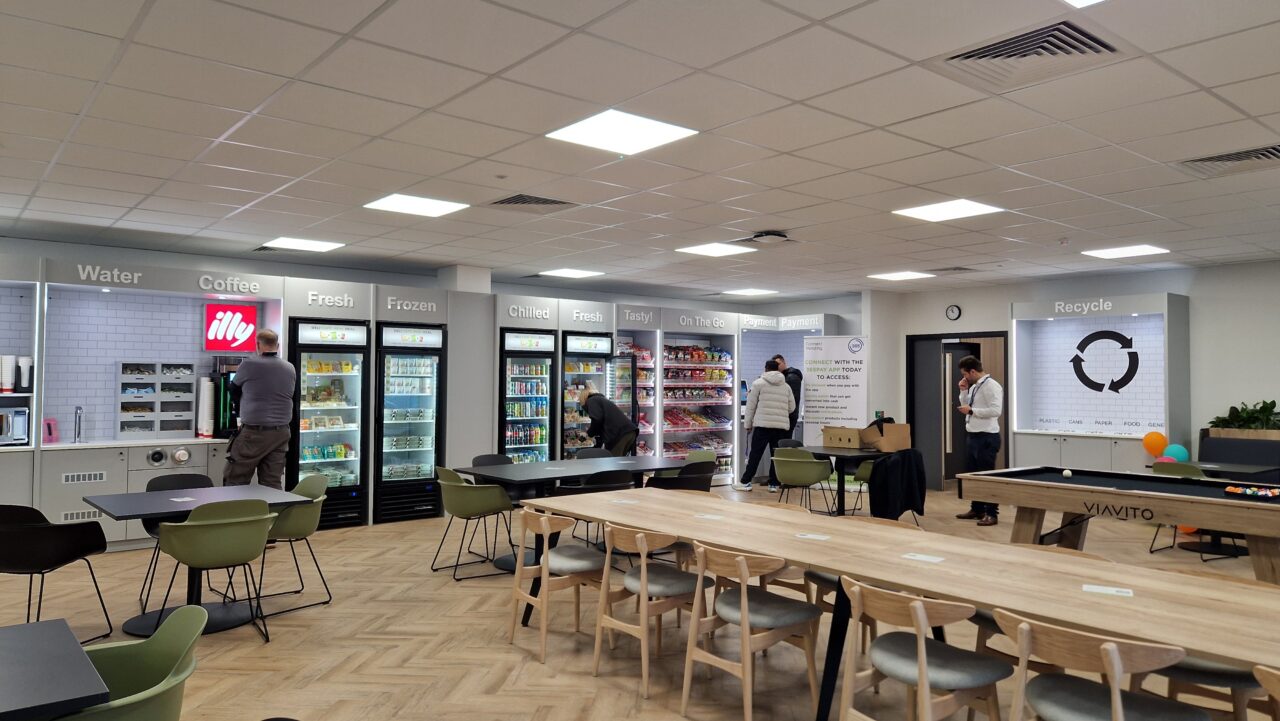
One of the main advantages of a micro market is their ability to accommodate to dietary requirements. Traditional canteens, with constraints on their kitchen capacity and staffing, often struggle to offer fresh food options that cater to a range of different dietary needs. Canteens often offer a vegetarian option alongside their standard menu, and at a push perhaps a vegan option too. But what about employees who require halal, gluten-free, dairy-free or low sugar options? Often, they find themselves with limited, or no, suitable choices meaning they skip the workplace food offerings, leaving the workplace entirely to find lunch, or bringing their own food from home.
Micro markets solve this challenge through their extensive product range. Due to their ability to stock hundreds of items from various suppliers, micro markets can easily cater to every dietary requirement without placing additional burden on kitchen staff. Products are clearly labelled with nutritional information and allergen warnings, allowing employees to make informed choices independently. This inclusivity not only improves employee satisfaction but also ensures that all staff members feel valued and catered for in the workplaces and therefore contributes towards employee satisfaction scores and staff retention.
The Financial Case for Micro Markets
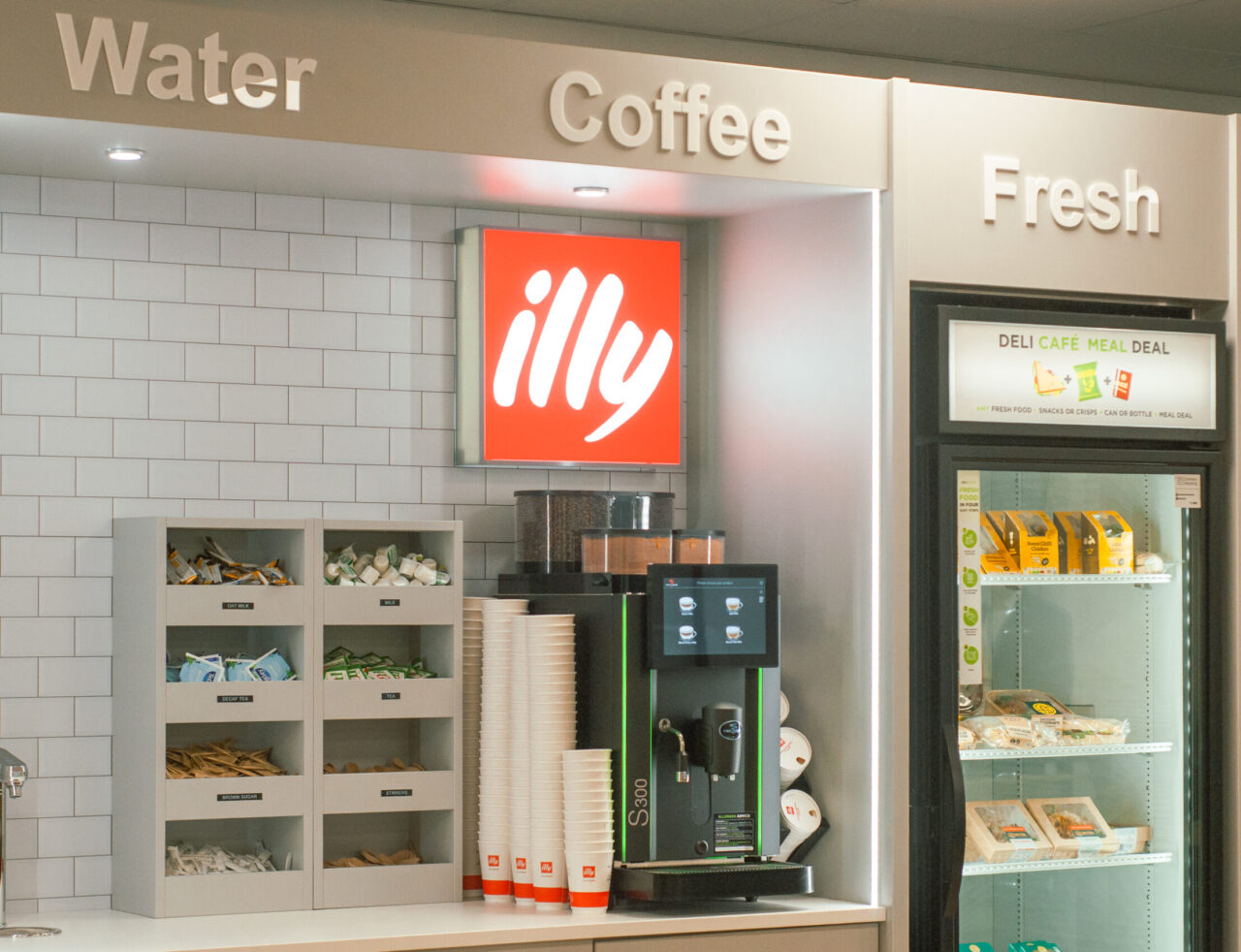
Beyond employee satisfaction, the transition to micro markets makes compelling financial sense for businesses. Traditional canteens require significant upfront investment in kitchen equipment, ongoing maintenance costs, utility bills, and a dedicated staff team including chefs, servers, and cleaners. For many organisations, particularly those with fewer than 500 employees, running a canteen operates at a loss, requiring substantial subsidies to keep meal prices affordable.
Micro markets dramatically reduce these operational costs. With no cooking facilities required, utility expenses drop considerably. The unattended retail model eliminates the need for dedicated catering staff as micro markets are serviced by external operators who handle the restocking and machine maintenance. This means businesses can redirect resources previously allocated to canteen operations towards other more pressing priorities. “We’ve seen businesses reduce their food service costs by up to 60% after switching to micro markets,” notes Coutts. “The savings come from reduced staffing, lower utility bills, and the fact that micro markets generate revenue rather than requiring additional expenses.”
Flexibility and Accessibility for Modern Working Patterns
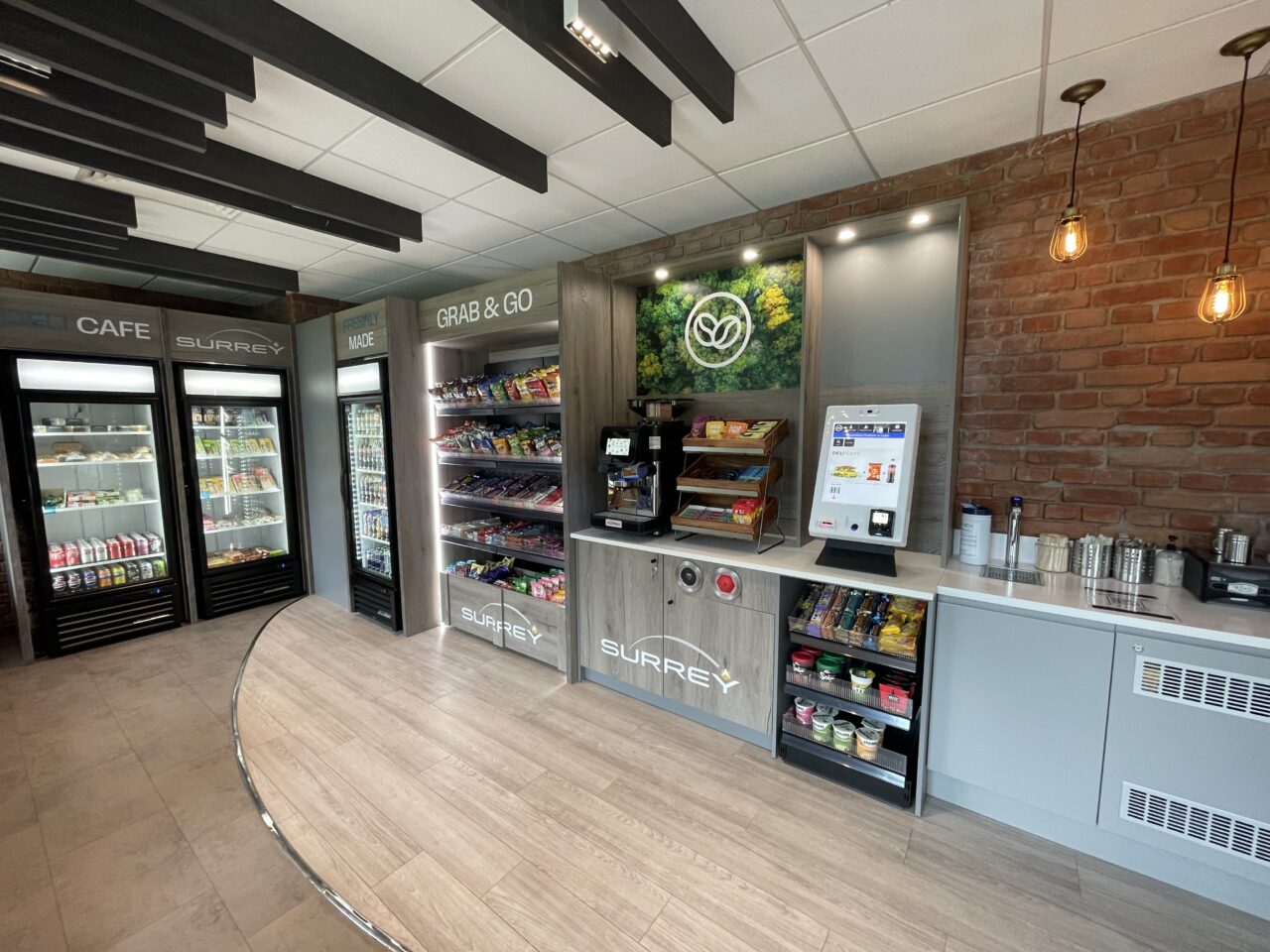
Perhaps the biggest advantage of micro markets is their round-the-clock accessibility. Traditional canteens typically operate within fixed hours, usually covering the lunch period and perhaps breakfast, leaving early arrivals, late workers, and night shift employees with no on-site food options. In contrast, micro markets are available 24/7, accommodating the diverse schedules of modern workforces.
This flexibility is particularly valuable for businesses operating shift patterns, global organisations with employees working across different time zones, and companies embracing hybrid working models. Employees who come into the office outside traditional hours no longer need to rely solely on vending machines dispensing crisps and chocolate bars. Instead, they have access to the same fresh, nutritious options available during peak times.
Micro market systems provide real-time data on purchasing patterns, stock levels, and popular items through connected technology. This allows operators to optimise their offerings, ensure popular items don’t run out, and remove products that aren’t selling. Smart inventory management means less food waste and more efficient operations. Some advanced systems can even adjust pricing dynamically or trigger automatic restocking alerts when items run low.
Enhanced Customer Experience Through Technology
The customer experience at a micro market is completely different from a traditional canteen service. Rather than queuing to order food, waiting for it to be prepared, and then queuing again to pay, employees can browse at their leisure, compare options, check nutritional information, and complete their purchase within minutes. The self-checkout process, typically using card payments or mobile wallets, is quick and contactless, addressing hygiene concerns that have become more prominent in recent years.
The open market format creates a retail-like environment that feels familiar and comfortable. Employees can see all available options at once rather than trying to decipher handwritten menu boards or making decisions under pressure at a service counter. This transparency allows for more considered choices, particularly beneficial for those monitoring their nutrition or budget.
Many micro market systems now incorporate loyalty programmes and personalised recommendations based on previous purchases. Employees might receive notifications about new products that match their preferences or earn rewards for choosing healthier options. This gamification element enhances engagement and encourages regular use of the facility.
The data generated by micro markets also benefits employers, providing insights into employee preferences and peak usage times without compromising individual privacy. This information can inform broader workplace wellness strategies and help businesses understand how food provision impacts productivity and satisfaction.
The shift from traditional canteens to micro markets represents a fundamental evolution in workplace food provision. By offering unparalleled variety, accommodating diverse dietary needs, reducing operational costs, providing 24/7 access, and delivering an enhanced customer experience, micro markets align with the needs of modern businesses and their employees. As organisations continue to compete for talent and seek to create supportive, flexible workplace environments, the micro market model offers a practical solution that benefits everyone involved. For businesses still operating traditional canteens, the question is no longer whether to make the switch, but when.