

UK Tea Culture at Work: Trends and Employee Preferences

Tea has been part of the British culture for centuries and this tradition is most evident within UK workplaces. From the classic morning brew to a mid-afternoon pick me up, a cup of tea, or a brew as it is more commonly known, has become a staple of the workplace. However, the way tea is enjoyed is changing with new health trends constantly appearing online, changes to employees’ preferences and new working patterns are reshaping how Britain’s workforce approaches their daily cuppa.
The Importance of Tea Breaks
Tea breaks continue to play a vital role in employee wellbeing and productivity despite modern workplace pressures. Research reveals that 87% of UK workers believe tea breaks boost their creativity and productivity, with most employees wanting to take four tea breaks throughout their workday.
The data paints a compelling picture: 72% of workers engage in conversation with colleagues during tea breaks, and remarkably, 69% of these conversations are work-related. Organisational psychologists from Leeds University Business School found that the wider benefits of tea breaks may substantially outweigh their costs, as employees often solve problems by talking to colleagues in their network during these informal moments.
However, there’s a concerning trend. 76% of workers feel too busy to take a proper tea break, with 70% taking under 15 minutes of breaks outside their lunch hour. According to UK legislation, workers are entitled to one uninterrupted 20-minute rest break if they work more than six hours daily, yet many fail to utilise this right fully.
Shifting Tea Preferences: The Rise of Wellness
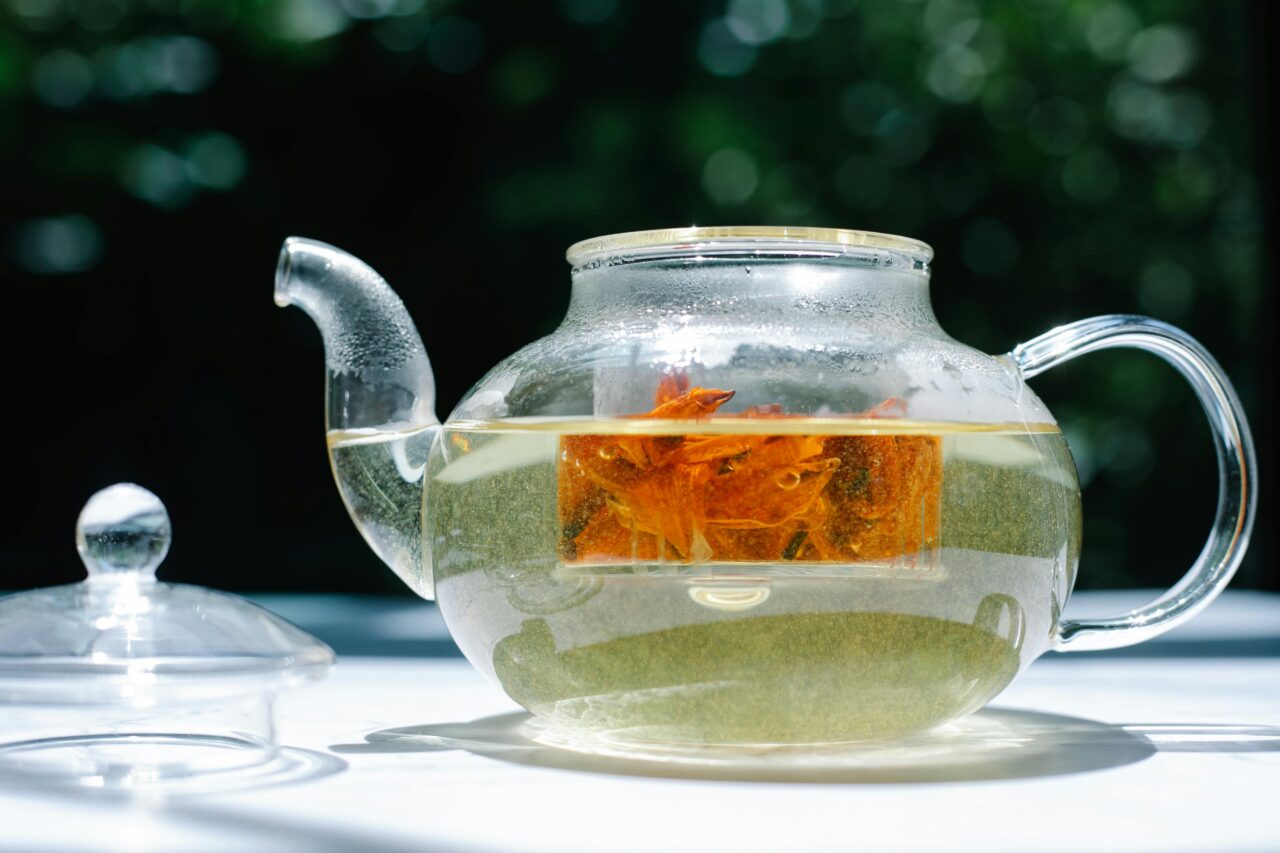
The UK tea market is experiencing a fundamental shift from traditional builder brews that were once an office favourite to a healthier, lighter brew. According to industry analysis, black tea consumption has been declining over the past decade as consumers increasingly switch to herbal and green teas. The UK Tea & Infusions Association’s 2024 Census Study found that 98% of Brits drink tea daily, but preferences are diversifying.
The wellness movement is profoundly impacting workplace tea culture. Research from BRITA Professional surveying 1,000 tea drinkers found that 64% believe breaking for tea positively affects their wellbeing. Half of UK adults report trying to avoid drinks that cause blood glucose to rise quickly, a figure that rises to 58% among under-45s. This trend particularly benefits unsweetened herbal teas, which offer blood sugar-friendly credentials without compromising on flavour or satisfaction. For employees managing diabetes or simply trying to maintain stable energy levels throughout the day, herbal teas provide an ideal alternative to sugary beverages.
Tea’s health benefits extend far beyond mental refreshment. With 30-50mg of caffeine per mug, tea provides gentle alertness without the crash associated with coffee. The amino acid L-theanine found in tea can improve brain function, enhancing mood, alertness, and cognitive performance. This unique combination of caffeine and L-theanine creates what many describe as a state of calm focus, ideal for complex workplace tasks requiring sustained concentration.
What Employees Want in Their Office Tea Selection
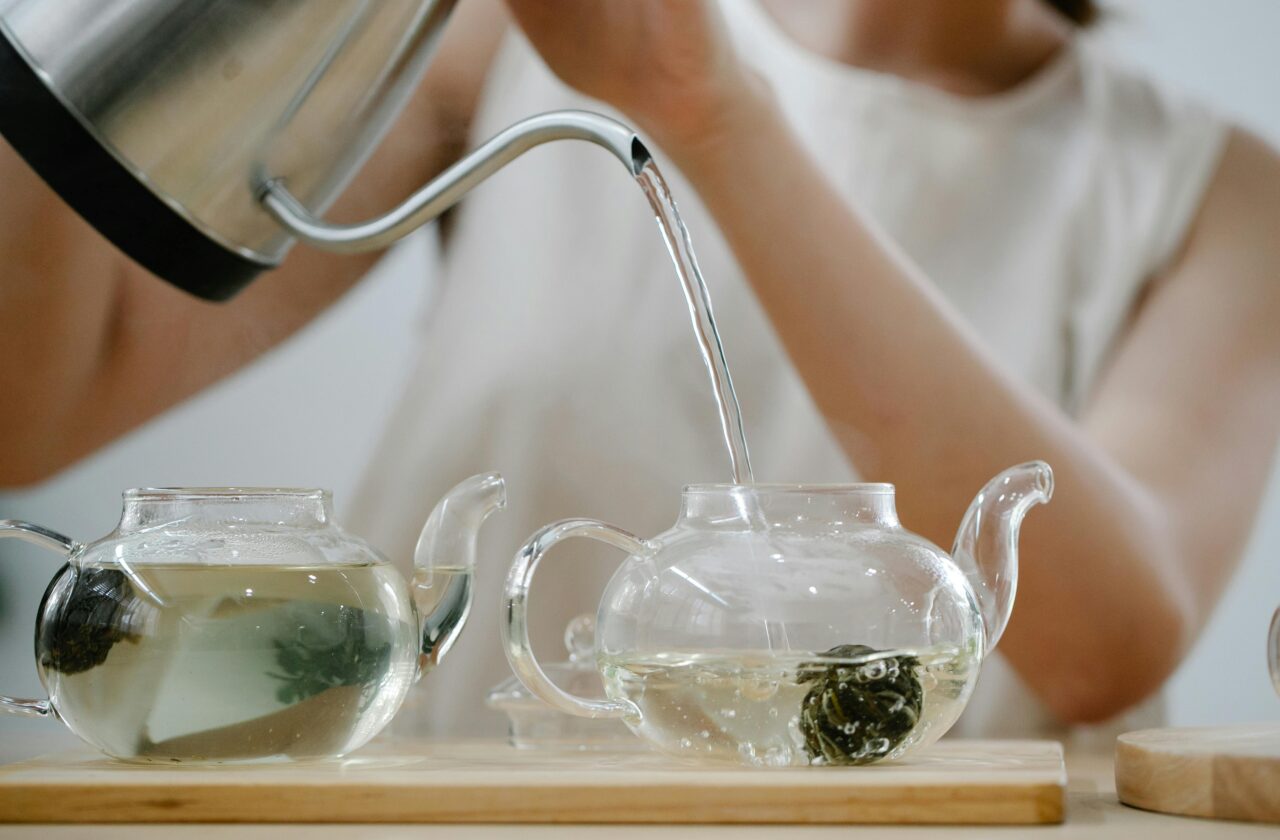
With such a diverse range of tea preferences it is crucial to offer a wide range of tea types within the workplace. Black teas such as English Breakfast and Earl Grey remain staples in British offices, providing robust flavour and higher caffeine content that makes them ideal for morning meetings and afternoon energy boosts. These traditional favourites continue to dominate office kitchens, offering the familiar comfort that many employees associate with productivity and focus.
However, green tea is rapidly gaining ground among health-conscious employees. Chosen for their antioxidant properties and less aggressive caffeine boosts compared to black tea, green tea can appeal to health-conscious employees or for younger employees who are seeking a lighter flavour profile and those seeking sustained energy without the jitters sometimes associated with stronger caffeinated beverages.
Herbal infusions represent perhaps the most significant growth area in workplace tea preferences. Peppermint, chamomile, and fruit teas are increasingly popular throughout the day. These caffeine-free options are perfect for late-day consumption and appeal to employees seeking stress relief and digestive benefits. The variety of flavours available means there’s something to suit almost every palate, from soothing chamomile for afternoon relaxation to invigorating peppermint for post-lunch refreshment.
Interestingly, the 2024 Tea Census revealed that 35% of Brits add milk to their green tea, and 32% add milk to herbal infusions. While these choices might make purists wince, they perfectly reflect the British preference for personalisation and the enduring love affair with milk in tea, regardless of variety.

The Social Dimension: Building Workplace Community
Beyond individual health benefits, tea breaks serve a crucial social function in modern workplaces. Research indicates that strong work friendships can boost employee satisfaction by up to 50%, fostering higher engagement and dedication to work tasks. In an era when remote work and digital communication can feel isolating, the humble tea break offers a valuable opportunity for genuine human connection.
The simple act of making tea for a colleague creates opportunities for connection and builds a supportive work environment. These small gestures of care accumulate over time, creating a culture of mutual support and consideration. A recent survey found that 74% of workers believe tea breaks help them get to know colleagues better, addressing a concerning statistic: 33% admit they don’t know all their coworkers’ names, a figure that rises to 39% among 18-24-year-olds. Tea breaks provide natural, low-pressure opportunities for these connections to form organically.
The informal setting of a tea break often allows for different kinds of conversations than would occur in formal meetings. Ideas get shared, problems get solved, and relationships deepen in ways that structured work time rarely permits. McVitie’s 2023 campaign to “bring back the tea break” struck a chord with workers, revealing that 72% of UK workers want daily 15-minute tea breaks implemented in their workplace, with 93% considering breaks an important part of the working day.
Brewing a Better Workplace
UK tea culture is evolving, but its workplace importance remains constant. As preferences shift toward wellness-focused options, smart employers are responding with diverse selections from traditional black teas to herbal infusions that cater to changing tastes and health goals.
The challenge isn’t just what tea to provide, but creating a culture where employees feel empowered to take proper breaks. With 76% of workers feeling too busy to pause, yet 87% recognizing the productivity benefits, the solution is clear: stock varied options and actively encourage those crucial moments of rest and connection.