

How Premium and Functional Drinks Are Changing Workplace Buying Behaviour

Workplace refreshments have never been as varied as they are today. Cold brew, craft soft drinks, kombucha, protein shakes, and a growing range of functional drinks have all moved from niche to mainstream. So, when the options are so broad it’s interesting to see what people are choosing and why.
Consumption patterns across workplace settings show that these choices are far from random. Employees navigate these large ranges with more intention than the volume of options may suggest and the signals that drive selection are becoming increasingly clearer to those who are paying attention. Research in the journal Nutrients confirms that even mild dehydration can impair cognitive function, mood and productivity meaning that what employees drink throughout the day directly impacts how well they perform.
Time of Day as a Purchasing Driver
The relationship between the time of day and purchase intent is one of the clearest behavioural patterns in premium and functional drinks. Cold brew, protein drinks and products that have clear health benefits are most frequently purchased during the morning. Employees arriving at the start of the day are typically looking for a performance booster, a drink that can supply them with energy and nutrition to help them focus and settle into the working day. Of course, coffee is still the top seller in the morning so having a quality bean to cup coffee machine alongside smart fridges and vending machines stocked with functional drinks is important.
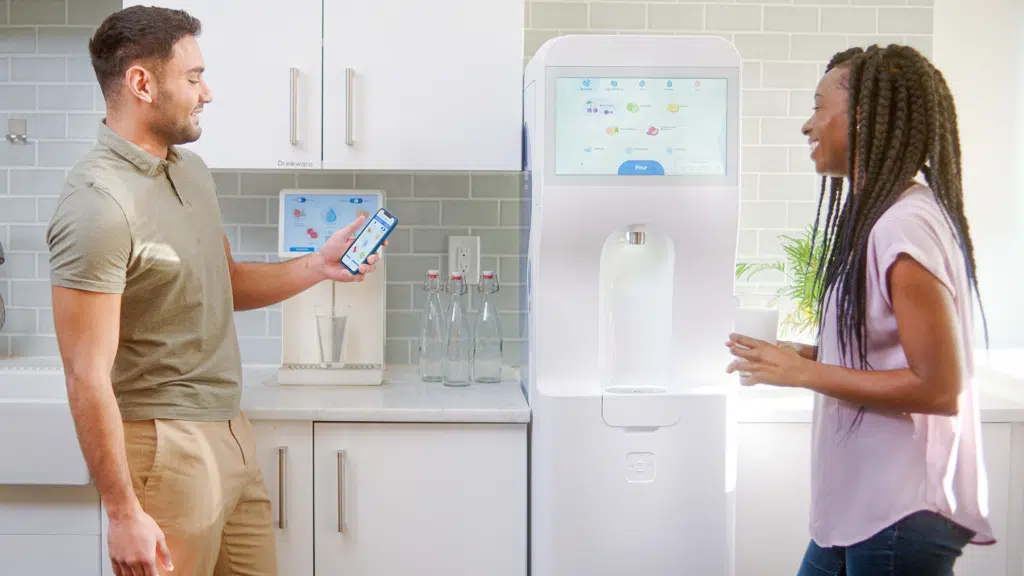
Employees purchasing behaviour is noticeably different during the afternoon as refreshment and flavour becomes a more prominent driver. During the afternoon, flavoured water from a sparkling water tap, lightly functional soft drinks, and lighter energy boost drinks perform well. This is where modern water dispensers, such as the Bevi Standup 2.0, that can serve flavoured and sparkling water with the option to add electrolytes at the touch of a button earn their place within the workplace. By the evening, the dynamic shifts towards indulgence and moderation and premium soft drinks and sophisticated functional options benefit consumers who want something satisfying and flavourful start performing well. According to EHL Hospitality Insights, nearly half of Gen Z consumers believe mindful consumption is vital to their health, and this generation is statistically far more likely to choose tea-based beverages or premium soft drinks during social occasions than older colleagues.

When Consumers Trade Up
Premiumisation in soft drinks and functional beverages is conditional. Consumers don’t trade up simply because a product is priced higher or has better packaging. The categories that have achieved a genuine premium position all share a set of characteristics: a clear and credible ingredients list, a functional benefit that is communicated simply, and recognisable brand cues that signal quality. Where any of these elements is absent, the premium price point becomes harder to justify.
This has direct implications on the workplace, for example an office coffee machine stocked with premium coffee beans from reputable roasters such as illy coffee will outperform the office coffee machine stocked with unbranded coffee blends because employees can see and taste the difference. The same principal can be applied to vending. A fresh food vending machine stocked with reputable, well branded products with clear nutritional information converts more reliably than a vending machine stocked with non-branded products. Research from Tastewise confirms this pattern, noting that functional beverages perform best when the benefit is specific and easy to understand within a few seconds of engagement.
The Functional Drinks Growth Story
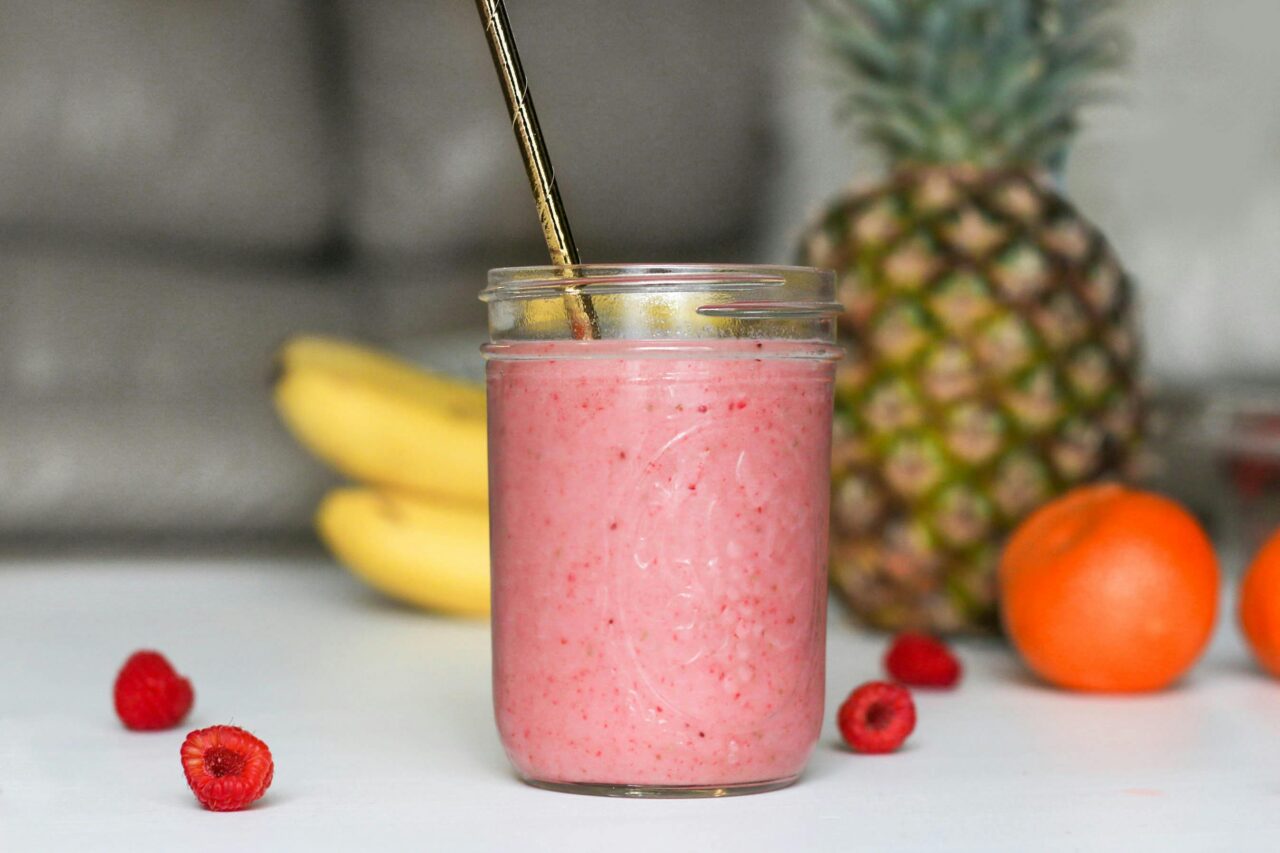
Growth in functional drink sales is being driven by a relatively concentrated set of consumer needs: protein, adaptogens, low sugar formulations, and natural energy sources. Of these, protein and low sugar have the broadest mainstream appeal and the most established purchasing behaviour. Prebiotic sodas have seen year-on-year growth exceeding 51%, while protein coffee has surged by nearly 50%, according to Tastewise’s social food and beverage panel data.
Natural energy is a particularly interesting category for workplace settings. Positioned around ingredients such as green tea extract, guarana, or vitamin B rather than synthetic caffeine, it appeals to employees who want the functional benefit of an energy drink without the health concerns associated with mainstream brands. A review published in Frontiers in Public Health linked regular energy drink consumption with cardiovascular irregularities, heightened anxiety, and disrupted sleep. For employers stocking beverage vending machines and cold drink machines, natural energy alternatives represent a clear opportunity to offer something employees actively want.
Kombucha sits at the intersection of several of these trends. Produced by fermenting tea with a symbiotic culture of bacteria and yeast, it delivers genuine probiotic benefits for gut health alongside a gentle, natural energy lift. Kombucha is increasingly being recognised as a premium, flavour forward product rather than a wellness drink, and it’s now appearing in office smart fridges and managed vending solutions alongside established soft drink brands. The broader functional drinks market is on course to reach a global value of approximately £200 billion by 2030, driven by drinks that combine social appeal with benefits like stress relief, gut health support, and enhanced mental focus.
Practical Implications for Workplaces
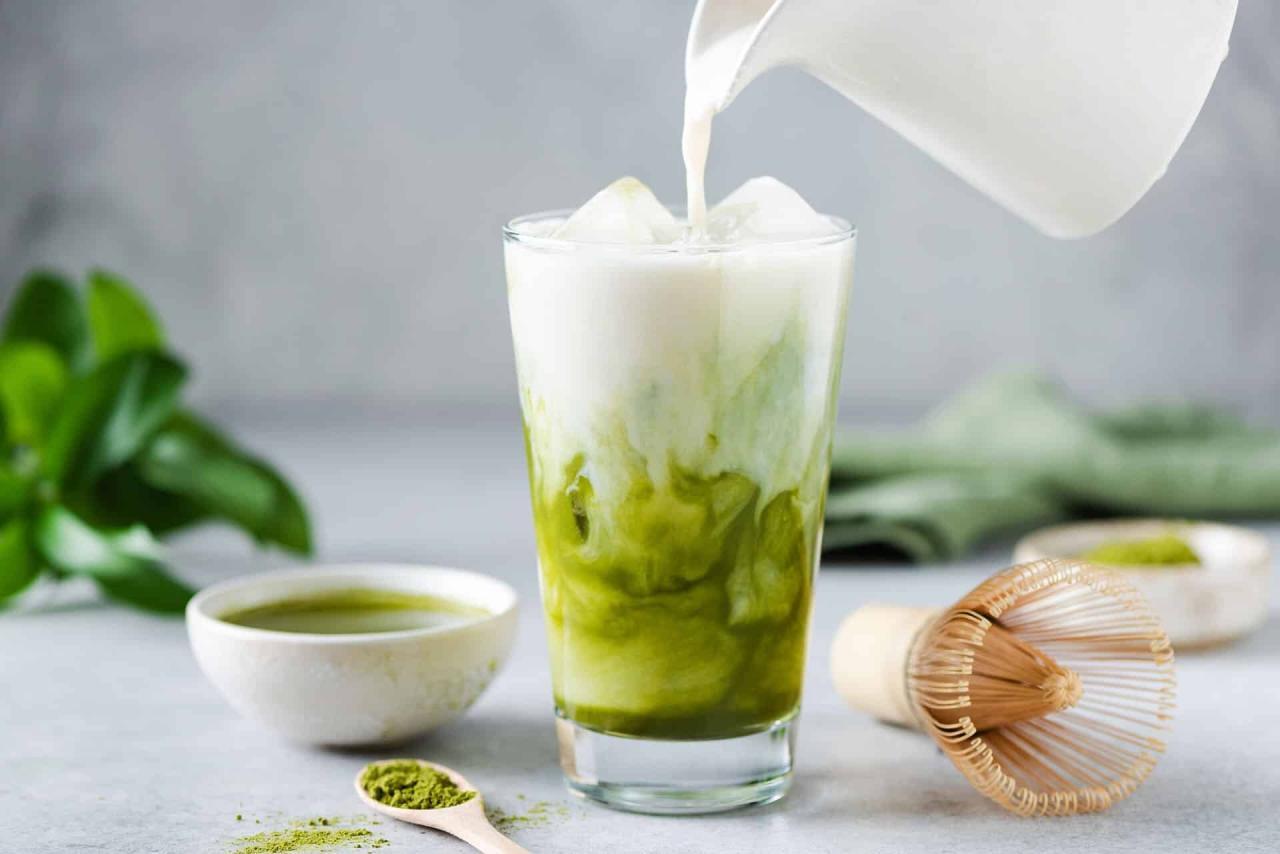
The evidence from consumption patterns points to three areas where businesses can improve their workplace beverage performance. The first is segmentation. A range that reflects distinct occasions, time-of-day needs, and functional intent delivered through the right combination of office coffee machines, water dispensers for offices, vending machines, and smart fridges will consistently outperform one built around breadth alone.
The second is restraint. Overloading a range with broadly similar products in adjacent subcategories dilutes the clarity that drives purchase decisions. Fewer, better-differentiated options in your drink vending machines and snack machines tend to produce stronger overall performance. The third is benefit clarity. The products that convert most reliably are those where employees can identify the relevant benefit within seconds. Functional claims buried in small print, or premiumisation cues that require prior category knowledge to decode, represent missed opportunities.
The premium and functional drinks category is not being driven by novelty. It is being driven by consumers and employees who have developed a clearer sense of what they want from a drink and a greater ability to identify it quickly. Businesses that build their ranging, communication, and placement decisions around that growing consumer fluency will be better positioned than those still optimising for awareness and distribution alone.