

Leasing vs Buying a Vending Machine: What is The Best Option For You?

Are you considering getting a vending machine for your workplace? With the evolution of smart technology transforming the vending machine industry, choosing the right finance option has never been more important. Deciding between leasing and purchasing a vending machine in the UK will depend on your budget, your technological requirements, and your long term business plans. In this blog, we will explore the advantages and disadvantages of both buying and leasing a business vending machine to help you make an informed decision that aligns with your business needs.

Purchasing a Vending Machine Outright
Buying a vending machine with upfront capital continues to be a popular option for businesses who have capital to spend and a solid long-term business plan.
Advantages of Buying
When you purchase a vending machine outright, you own the asset immediately with no contractual restrictions. You have complete freedom to use, modify, or relocate the machine as your business needs evolve, without requiring approval from a finance company. This complete ownership from day one means you’re not tied to any external agreements or monthly obligations.
Buying a vending machine can prove more economical over time, as you avoid interest charges and ongoing finance fees. Once the initial investment is recouped, all revenue generated becomes pure profit, minus operational costs like stock and maintenance. Without lease payments to worry about, your cash flow remains more predictable, which can be particularly beneficial during quieter business periods or economic uncertainty.
The machine also becomes a business asset which can potentially improve your company’s financial position for lending or investment purposes. This tangible asset can demonstrate stability and growth to financial institutions and stakeholders.
Disadvantages of Buying a Vending Machine
The main barrier to purchasing a vending machine is the significant upfront cost. Modern smart vending machines with touchscreen interfaces, IoT connectivity, and cashless payment systems require substantial capital – funds that might be better deployed elsewhere in your business to drive growth or manage operational needs.
With the vending industry evolving rapidly, machines purchased today may feel outdated within just a few years. The shift to AI powered personalisation, biometric payments, and advanced analytics means your investment could lose its competitive edge faster than traditional equipment.
As the owner, you bear all costs for repairs, servicing, and upgrades. If a component fails or the machine requires technical updates to remain compliant with payment standards, these expenses fall entirely on you. Additionally, like most equipment, vending machines depreciate over time, potentially reducing their resale value significantly.
Leasing a Vending Machine
Leasing a vending machine has become increasingly popular, particularly as technology advances at pace. Rather than a large upfront purchase, leasing allows businesses to spread costs over time while maintaining access to modern equipment.
Advantages of Leasing
Leasing requires a lower upfront capital investment, allowing you to preserve cash flow for other business priorities. This makes vending machines accessible to start ups and growing businesses that may lack substantial reserves. The minimal initial investment means you can introduce vending services to your workplace without the financial strain of a major capital purchase.
One of the most compelling advantages of leasing a vending machine is the ability to stay up to date with technology. With 90% of UK vending machines now cashless-enabled and smart features like AI recommendations, real-time inventory tracking, and IoT monitoring becoming standard, technology moves quickly. Leasing agreements typically include upgrade options at the end of the term, allowing you to upgrade to the latest smart vending technology without being locked into outdated equipment. This flexibility to upgrade is particularly valuable in an industry where consumer preferences and payment technologies are constantly evolving.
Lease payments are fixed and spread over the contract duration, typically three to seven years, making budgeting straightforward. Finance companies often offer attractive rates that help absorb costs gradually rather than in one substantial hit. This predictability allows for better financial planning and removes the uncertainty of large, unexpected maintenance costs.
Many leasing agreements include maintenance packages, shifting the burden of repairs and servicing to the provider. This can save both money and management time, with issues resolved quickly by specialists, like us at Connect Vending, who understand the equipment intimately. Furthermore, lease payments may be tax-deductible as a business expense, potentially offering favourable treatment compared to depreciating a purchased asset. Always consult your accountant for specific advice tailored to your situation.
Disadvantages of Leasing
Lease agreements typically run for several years, and you’re bound by the contract terms throughout this period. Breaking a lease early can result in significant penalties, so it’s important to be confident in your long-term needs before committing. This long term commitment means you need to carefully consider your business plans and growth trajectory.
While monthly payments are manageable, the cumulative amount paid over a lease term will include interest and fees. You’re essentially paying for the convenience of spreading costs and the flexibility of upgrades. At the end of most leases, you either return the machine, purchase it for a residual value, or enter a new lease. You never build equity in the equipment during the primary lease term, which means you’re not creating an asset that adds to your business’s net worth.
Missing payments or defaulting on the agreement can result in additional fees, damage to your credit rating, and potential removal of the equipment. It’s crucial to ensure that the lease payments fit comfortably within your budget before signing any agreement.
Financing Trends in the UK
The appetite for vending machine financing remains strong in the UK. The Finance and Leasing Association reports that business asset financing continues to grow, with substantial investments allocated to equipment and technology annually.
Interestingly, while outright purchases still represent a significant portion of transactions, leasing has gained ground, particularly for smart vending machines where technology refresh cycles are shorter. Businesses increasingly recognize that in a rapidly growing and evolving sector, staying technologically competitive matters. The ability to upgrade equipment regularly without major capital outlays has become a strategic advantage for many organisations.
Which Option Is Right for Your Business?
Buying might be the right choice if you have sufficient capital available without straining cash flow and plan to use the machine for many years, perhaps five to ten or more. It’s particularly suitable if you want to avoid ongoing contractual obligations and prefer to own assets outright. Businesses with internal maintenance capabilities or established service contracts may also find outright purchase more advantageous.
Conversely, leasing could be the better option if you need to preserve working capital for other investments and value access to the latest smart vending technology. It’s ideal for those who want predictable, manageable monthly payments and prefer maintenance and support to be included in their agreement. If you wish to upgrade equipment every few years as technology evolves, leasing provides that flexibility. Startups and growing businesses without substantial cash reserves often find leasing to be the most practical route to introducing vending services.
The Technology Factor: Why Upgrade Options Matter
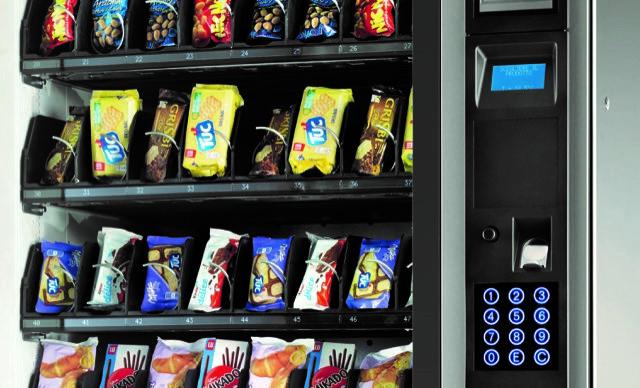
The vending industry’s transformation cannot be overstated. In just the past two years, we’ve seen the introduction of AI-powered personalisation that learns customer preferences, real-time IoT inventory management that reduces stock-outs and waste, and contactless and biometric payments including facial recognition and fingerprint scanning. Touchscreen interfaces now provide product information and nutritional data, while predictive maintenance systems can self-diagnose issues before breakdowns occur. Smart analytics provide detailed insights into purchasing patterns, helping businesses optimize their product offerings.
The global smart vending machine market is experiencing rapid expansion, driven by consumer demand for convenience, hygiene, and personalized experiences. Fresh food vending has shown impressive growth, and innovations like Smart Fridges and micro markets are gaining popularity across workplaces, transport hubs, and public spaces.
For businesses considering a vending machine investment, this technological evolution presents both an opportunity and a challenge. Machines purchased today will face competition from ever-more-sophisticated alternatives in just a few years. This is where the upgrade flexibility of leasing becomes particularly valuable, allowing businesses to stay ahead of the curve without being locked into depreciating technology.
Making Your Decision
Ultimately, the choice between buying and leasing a vending machine depends on your unique business circumstances. Consider your available capital, your appetite for technology upgrades, your maintenance capabilities, and your long-term business strategy.
If preserving cash flow and maintaining access to cutting-edge technology are priorities, leasing offers a compelling proposition. If you have the capital available and prefer asset ownership with no ongoing obligations, buying outright may suit you better. Either way, understanding the full picture of advantages and disadvantages will help you make an informed decision that supports your business goals in 2025 and beyond.
The UK vending industry is thriving and innovating rapidly. Whichever financing option you choose, you’ll be tapping into a sector that continues to grow, adapt, and provide valuable services to workplaces and public spaces across the country.